
How Instant Messengers Facilitated Remote Work During the Pandemic
The global outbreak of the COVID-19 pandemic meant that companies had to shift to working from home in a matter of weeks.

The global outbreak of the COVID-19 pandemic meant that companies had to shift to working from home in a matter of weeks. Due to the shift from the conventional working environment to remote working, there was a need for efficient communication tools. Instant messaging apps also became crucial tools that helped people work together, remain efficient and continue to communicate with their teams during this uncharted territory. This article is focused on the analysis of the impact of instant messengers during the pandemic and how they facilitated remote work.
1. Real-Time Communication

Another major strength of the instant messaging platforms is the real time communication that they offer. While emails may cause a delay in response, instant messaging enables the team members to communicate in real-time. This was crucial in the pandemic to keep the work going and to solve the pressing problems that arose. The workers could easily pose queries, post information, and work on tasks without having to wait for a response as is the case with normal means of communication. This easy availability of information ensured that the teams were able to adapt and respond to the fast changing environment.
2. Enhanced Collaboration
Instant messaging tools offered a common ground where the teams could meet and work effectively without being in the same place. Functions including group conversations, files, and video conferences allowed the team members to work on the documents, come up with ideas, and have meetings. Applications such as Slack, Microsoft Teams, and Zoom turned out to be crucial in the daily functioning of the teams, to make them feel that everything is still fine. With this, instant messaging tools encouraged collaboration and kept the teams in check even when they were not physically in the same location.
3. Building Team Cohesion
The change in working environment to remote work affected the cohesiveness and morale of the team. Instant messaging platforms have been useful in this regard as they offer a way of communication that is similar to face-to-face interaction. They could post their personal messages, congratulate each other, and even have casual conversation as if they are in the same office but not physically present there. The use of emojis, GIFs, and reactions made the conversation more interactive and more like having a face to face conversation. This was very important in ensuring that the team morale was high during the period of change.
4. Supporting Mental Health and Well-Being
Stress and anxiety levels for many employees rose during the pandemic. Instant messaging apps were a way of employees being able to communicate and ensure that everyone was okay. It was very easy for the team members to communicate with their peers to have a quick conversation or to pass on information about mental health and well-being. Some of the organizations also employed these platforms to support their wellness programs like virtual coffee or mindfulness sessions to tackle the issues of remote work.
5. Integration with Other Tools
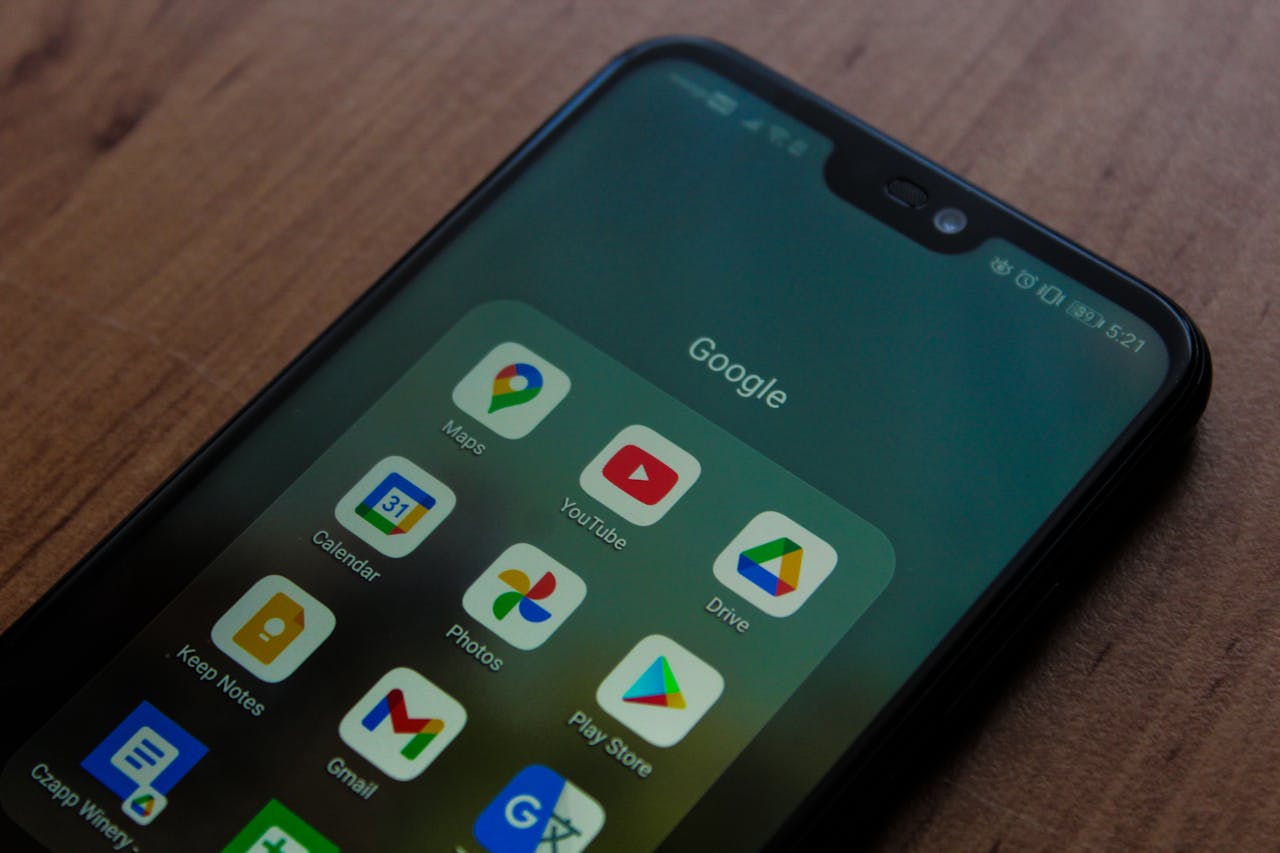
Instant messaging services are also connected with other business applications to improve efficiency and effectiveness of work. In the course of the pandemic, teams used these integrations to get to project management tools, calendars, and document repositories right within the messaging apps. This integration eliminated the need for the employees to jump between different applications and applications and thus, increased productivity and efficiency in the collaboration process.
6. Flexibility and Accessibility
This flexibility of the instant messaging platforms made it easy for the workforce to use them. The employees could be able to use their phones, tablets, or even their computers to make the communication hence not having to be in the same place. This was especially useful for companies that had employees in different parts of the world and working in different shifts as it enabled them to communicate and work together even at different times.
Conclusion
Instant messaging applications were very useful in the implementation of remote work during the pandemic. Through facilitating real-time communication, improving collaboration, promoting team spirit, supporting mental health, integrating with other tools, and offering flexibility, these platforms assisted organizations in managing the transition to remote work. With more and more companies adopting hybrid work models, the lessons learned during the pandemic will most probably define the further development of workplace communication with instant messaging being one of the key elements.