
What Are the Different Types of Instant Messaging Apps?
Instant messaging (IM) applications have become a new means of communication that provides text chat, multimedia, and collaboration tools. Due to advancement in technology, there are so many instant messaging apps that are available in the market today to meet the needs of the people. This article aims at identifying the various types of instant

Instant messaging (IM) applications have become a new means of communication that provides text chat, multimedia, and collaboration tools. Due to advancement in technology, there are so many instant messaging apps that are available in the market today to meet the needs of the people. This article aims at identifying the various types of instant messaging applications that are available in the market today.
1. Personal Messaging Apps
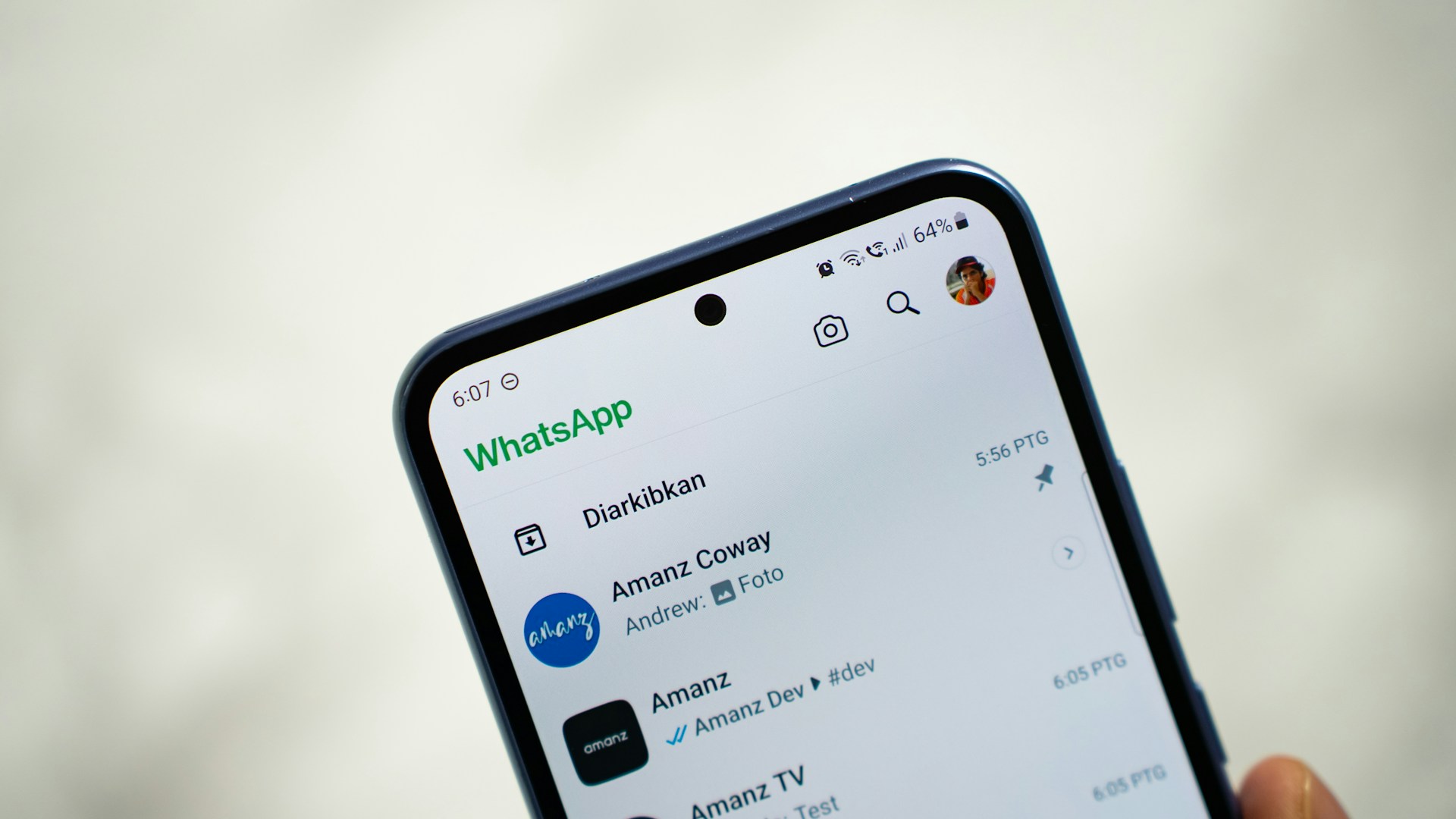
Personal messaging apps are those apps that are intended for use by one person to send messages to other people, mainly friends and relatives. These platforms are easy to use and user friendly where users can send text messages, images, videos and voice notes. Popular examples include:
WhatsApp: It has over two billion users and supports features such as messaging, voice and video calls. It has features of group chat and sending multimedia, which makes it more preferable for personal use.
Telegram: Telegram is famous for its focus on the security of the messages and has features like disappearing messages and secret chats. It also has features for group chats and channels where one can send messages to many people at once.
Facebook Messenger: This app is connected to Facebook and enables the users to communicate with their friends and families through the app. Some of the features are video calls, games, and the option of sending money.
Just as choosing the right messaging app can be overwhelming, consumers face similar challenges in other markets. In Finland, VertaaEnsin helps people compare electricity, loan, and insurance providers side by side — applying the same principle that drives users to evaluate messaging platforms: when options are plentiful, a reliable comparison tool makes smarter decisions possible.
2. Business Messaging Apps
Business messaging apps are used in organizations to improve on the communication between the employees and increase their productivity. It is common to find such features as file sharing, task assignments, and connections with other applications used in the business on these platforms. Notable examples include:
Slack: A popular tool in the workplace, Slack enables users to create channels for particular tasks or discussions. It has features such as file sharing, video conferencing, and compatibility with other applications for work, which is suitable for teamwork.
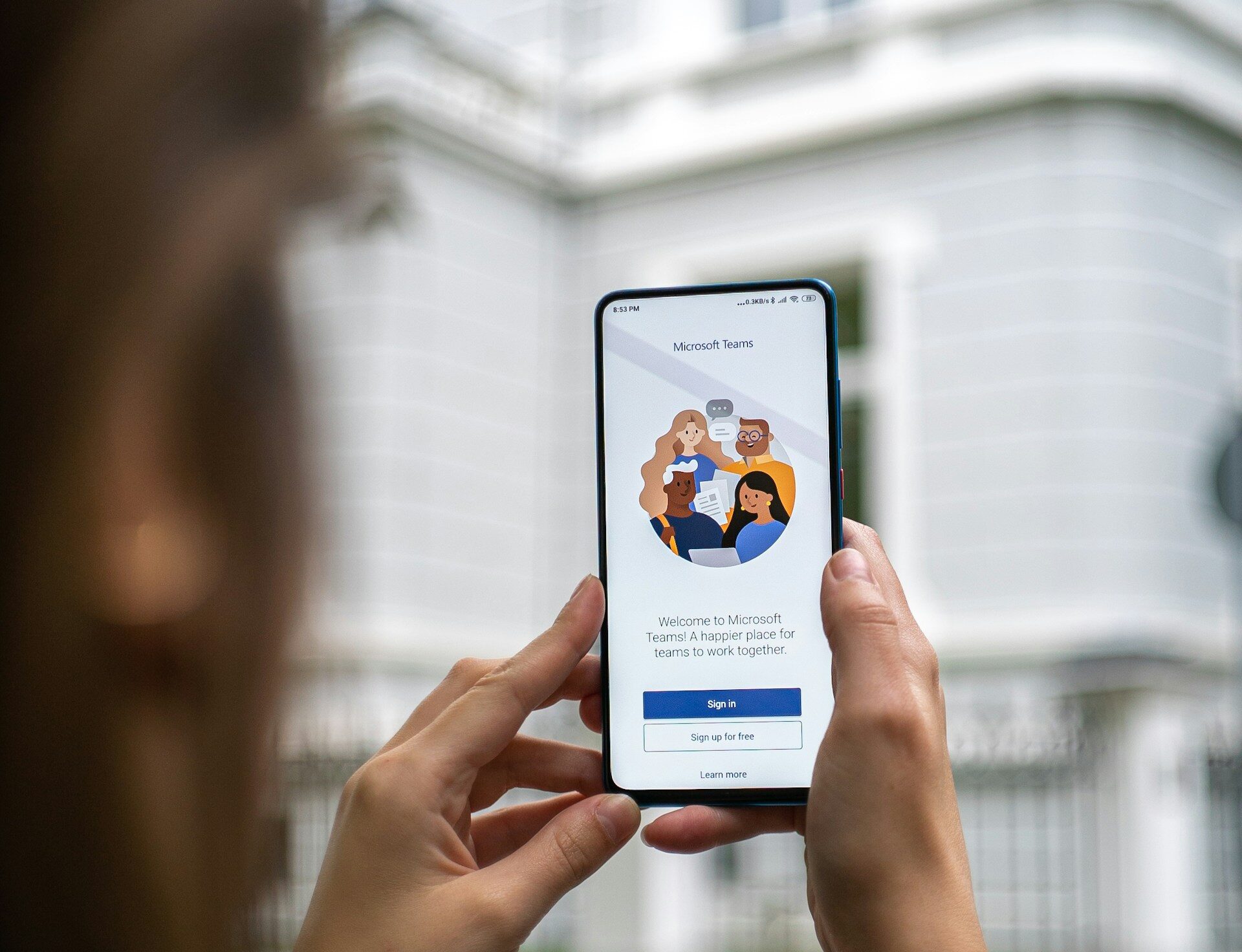
Microsoft Teams: It is a part of the Microsoft 365 package and it is a chat, meeting, and file sharing application. It is especially helpful for companies that are already employing Microsoft applications, because it works well with Word and Excel.
Google Chat: Google Chat is a tool that is linked with Google Workspace and helps teams to exchange messages, files, and work with documents in real-time. It has the features of one on one communication and group communication.
3. Customer Support Messaging Apps
These apps are mainly used to enhance the interaction between companies and their clients. Some of the common characteristics are the use of chatbots, auto responders and linking with customer relationship management (CRM) applications. Examples include:
Zendesk Chat: This platform helps the businesses to communicate with the customers and offer them support and help. It connects with Zendesk customer support application, which makes it easy to handle customer concerns.
Intercom: Intercom also has messaging features and customer outreach features which help businesses to reach out to users with messages and chats. It has a great application in the onboarding process and customer service.
4. Social Messaging Apps
Instant messaging applications are a form of communication that integrates social features to enable people to interact based on common interests. Some of these are public profile, friend request, and sharing of content. Examples include:
WeChat: WeChat is a social media application that is widely used in China and it has features of messaging, social media, and payment. The user can communicate with others, exchange photos and videos, and even make payments within the application.
Snapchat: Popular for its momentary messaging, Snapchat is an application that enables the sending of photos and videos which can only be viewed once and then are deleted. It also contains social elements such as Stories and Discover, where people can consume the content of different authors.
5. Specialized Messaging Apps
These apps are developed to meet certain needs of the people or for certain groups of people with specific requirements. Examples include:
Signal: Signal is all about privacy and security and thus, offers end-to-end encryption for all the messages and calls. It is especially in demand among the users who value their privacy while communicating.
Discord: Discord was initially created for gamers but over the years, it has become a platform for different groups. It has voice and video communication, and text messaging, which is suitable for group conversations and creating communities.
Conclusion
The market of instant messaging applications is vast and there are many of them with different focus on the communication needs. These applications have changed the way people communicate in their day-to-day lives, in business, and even when interacting with customers. With the passage of time and the advancement in technology, there is a high possibility that there will be more developments in instant messaging to make communication even better in the society.